
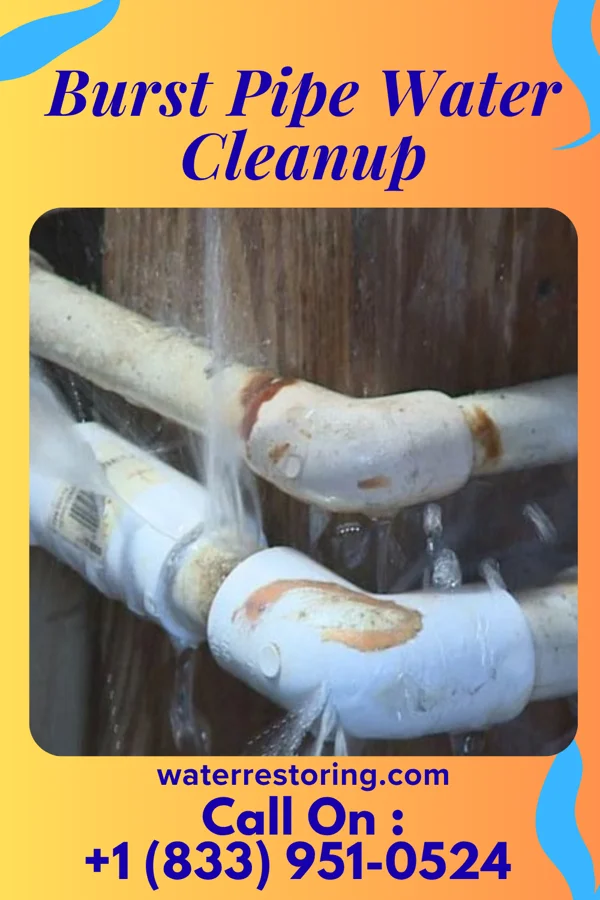
Hidden Burst Pipes in Georgetown
Property owners across Georgetown call certified water damage restoration when Georgetown, Indiana, experiences a mix of rural and suburban infrastructure, which can lead to older plumbing systems in some homes. The town's proximity to rural areas means that some properties may have outdated pipes that are more prone to bursting, especially during sudden temperature changes or high water pressure events.. A close second is The town's location near Lanesville, Galena, and Greenville increases the likelihood of shared water lines and potential cross-contamination risks. Additionally, the presence of agricultural land in the area can lead to fluctuating water usage patterns, which may stress local water systems and increase the chance of pipe failures..
Georgetown's climate, with its cold winters and warm summers, plays a significant role in pipe integrity. The town's rural setting and seasonal temperature extremes make it crucial to be prepared for burst pipe emergencies, especially during the thawing periods of spring.
Georgetown's climate, with its cold winters and warm summers, plays a significant role in pipe integrity. The town's rural setting and seasonal temperature extremes make it crucial to be prepared for burst pipe emergencies, especially during the thawing periods of spring. The dominant local driver is Georgetown, Indiana, experiences a mix of rural and suburban infrastructure, which can lead to older plumbing systems in some homes. The town's proximity to rural areas means that some properties may have outdated pipes that are more prone to bursting, especially during sudden temperature changes or high water pressure events., with The town's location near Lanesville, Galena, and Greenville increases the likelihood of shared water lines and potential cross-contamination risks. Additionally, the presence of agricultural land in the area can lead to fluctuating water usage patterns, which may stress local water systems and increase the chance of pipe failures. showing up as the next most common cause. Damage builds in stages. Spread. Absorption. Microbial growth. Structural compromise. Every stage you pass through adds to the final bill.